What Casino Game Mechanics Singapore Players Should Actually
What Casino Game Mechanics Singapore Players Should Actually Understand Before Depositing Last week a member in our chat asked something that stopped the thread cold: "If the dealer is live and the ca...
What Casino Game Mechanics Singapore Players Should Actually Understand Before Depositing
Last week a member in our chat asked something that stopped the thread cold: "If the dealer is live and the cards are real, why does the game still say RNG on the screen?"
He wasn't trolling. He genuinely wanted to know how those two things fit together. And honestly, it was one of the better questions I've gotten this month — because the answer touches on the core mechanics that separate a well-run platform from a sloppy one. So let's build from that question outward. This is the stuff experienced Singapore casino players actually understand about how these games work.
The Entry Levy Is the Real Starting Point for Singapore Residents
Here is the fact that most articles skip over in three sentences: if you hold a Singapore IC and walk into a land casino in this city-state, you pay SGD 150 for a single day or SGD 3,000 for an annual pass before you can set foot on the gaming floor. Not a tax. Not a licensing fee. A friction mechanism. The regulator built it specifically so that casual, frequent visitation carries a real cost.
Tourists walk in free. You don't. That asymmetry shapes everything that follows in this article, because it is the reason a growing number of Singapore residents who enjoy live dealer table games have started looking at online alternatives with much lower session overhead. When your baseline cost of just opening the door is SGD 150 at a land casino, a platform with no entry levy starts looking different as a value proposition — not as a loophole, but as a different product with a different cost structure.
Marina Bay Sands and Resorts World Sentosa are the only two licensed land casinos in Singapore. Both fall under the Gambling Regulatory Authority of Singapore. That binary architecture means there is no third option on the ground. Online platforms fill a different space.
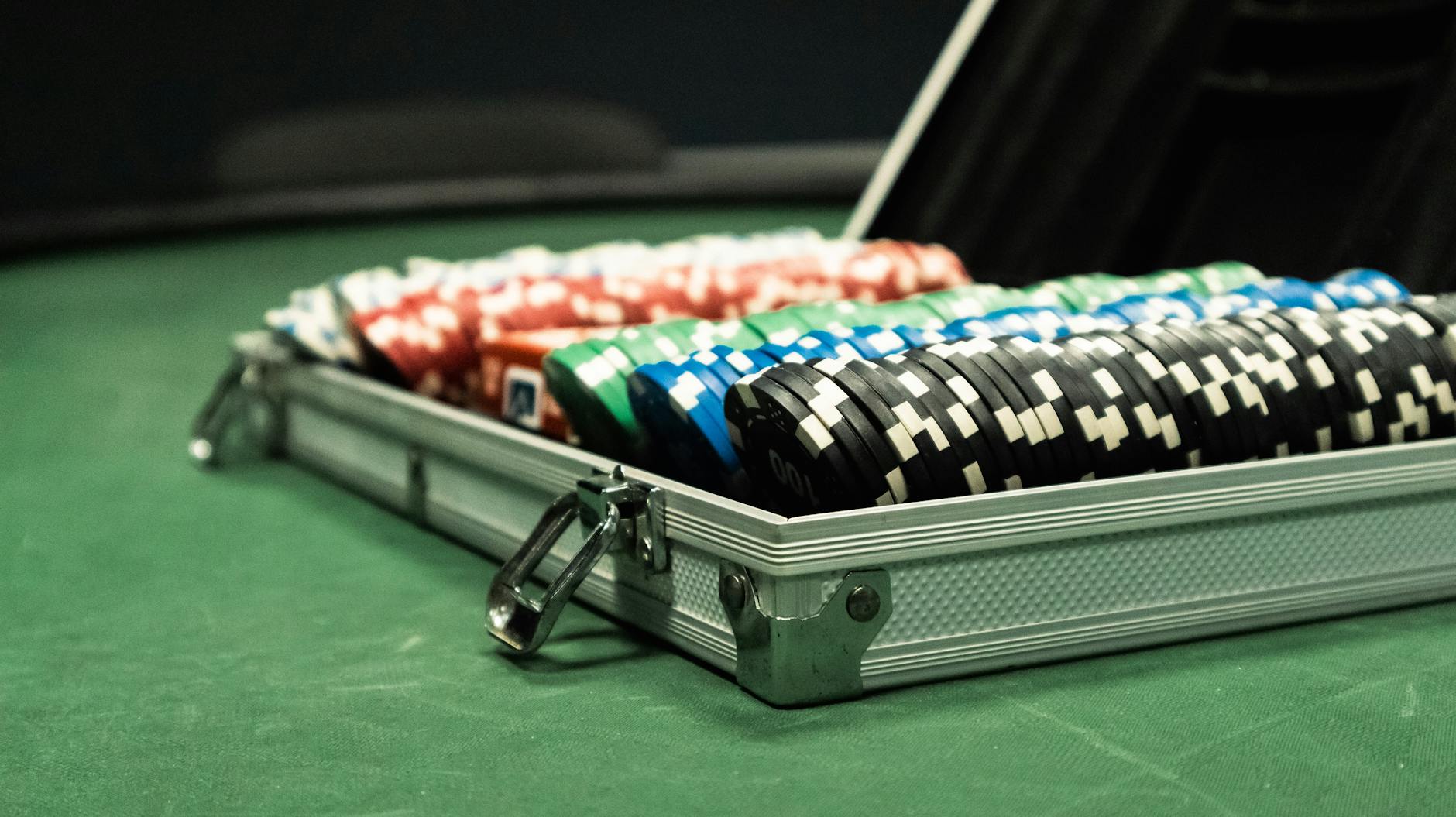
Photo by Dovydas Pranka on Pexels
How RNG Actually Works in Table Games Like Baccarat and Sic Bo
Back to the question that opened this section. The dealer's physical actions and the card shoe are real — that is not theater. The RNG (Random Number Generator) is the system that selects which outcome the shoe produces. Think of it this way: the live studio has a physical shoe with eight real decks. After each round, the dealer burns cards and shuffles on camera. The RNG does not replace those cards. It determines which seed the shuffling algorithm uses for the next virtual shoe used in parallel.
Both shoes run simultaneously. The virtual shoe's outcomes must match the live one within statistical tolerance — that is what licensing audits verify. If they diverge beyond a set threshold, the game is flagged. MBA66 runs its live casino under Isle of Man and Kahnawake permits, which means independent testing of this exact RNG-to-live-sync relationship is part of the compliance picture, not a footnote.
For Sic Bo specifically, the RNG selects the three dice outcomes from a large entropy pool. The dice are physical and dropped in the live studio, but the result is independently confirmed against the server-side selection. If you have ever wondered why Sic Bo payout tables show such a wide house edge range — some bets carry 2.78% and others carry over 30% — the answer is built into the odds structure itself, not into the RNG. The RNG is fair. The odds are the bet you choose.
Slot Mechanics: Cycles, Volatility, and What Grid Fishing Actually Reveals
Slot games generate more support tickets than any other category, and almost all of them come from the same misunderstanding: what the spins actually are.
Modern slot games in providers like Pragmatic Play, JILI, and Nextspin use a seeded pseudo-RNG. The "seed" is a large number derived from server-side entropy at the moment you load the game. The reels then display symbols by mapping that seed through the game's weighted table. Here is the part most players miss: the theoretical Return to Player percentage — the 96%, 97%, whatever the game publishes — is calculated over millions of spins across all players collectively. Your individual session is a sample from that distribution, not a guarantee of it.
Grid fishing games — the genre often bundled alongside slots in Asian provider catalogues — use a different model entirely. Those are typically skill-adjacent reward systems where the RNG determines catch rarity, but the player's input affects timing. That distinction matters when you are trying to understand why one session feels "hot" and the next feels cold. It is not mood or luck in a mystical sense. It is sampling variance from a weighted distribution, and grid fishing mechanics layer player agency on top of that RNG base.
High volatility slot titles will show long dry stretches followed by large single payouts. Low volatility titles pay smaller amounts more frequently. Neither is broken. They are tuned to different player preferences. MBA66 integrates with all the major Asian providers — Pragmatic Play, JILI, Nextspin, Fa Chai, Spade Gaming — so the game catalogue covers both ends of that spectrum and everything in between.

Photo by Terrance Barksdale on Pexels
Why Live Dealer Studios and Licensing Still Matter
Every live dealer platform will tell you the dealers are real and the cards are real. That is the floor of credibility, not the ceiling. The ceiling is whether a neutral third party has verified the sync between the live stream and the server-side game logic.
Evolution Gaming — the studio most commonly cited in live dealer contexts — runs its own internal RNG audit process alongside external certification. Asian studios that MBA66 integrates with typically publish their licensing credentials in the game information panel. When you are evaluating a platform, that information panel is worth opening even if you never read it. It tells you who the studio is, what jurisdiction they operate under, and whether the game has current certification. If the panel is missing or blank, that is a signal worth logging.
The licensing picture for MBA66 covers both the Isle of Man and Kahnawake, Canada. Neither is a rubber stamp jurisdiction. Both require the same RNG disclosure and audit cycle described above. This is the layer that sits between "the game looks real" and "the game is verified fair."

Photo by Pixabay on Pexels
What This Means for Your Deposit Decision
None of the mechanics above are reasons to avoid online casino platforms. They are reasons to understand what you are actually playing before you deposit. The RNG is not the enemy. The house edge is not hidden. The licensing is verifiable. What surprises most new Singapore players is how much of that information is publicly available in the game info panels and on the platform's regulatory pages — most people never scroll to it.
The entry levy at a land casino is a real cost. Online platforms with no equivalent levy and a verifiable RNG structure represent a genuinely different economic model. Whether that model suits your play pattern — short sessions vs. extended ones, table-game preference vs. slot preference — is the actual decision variable.
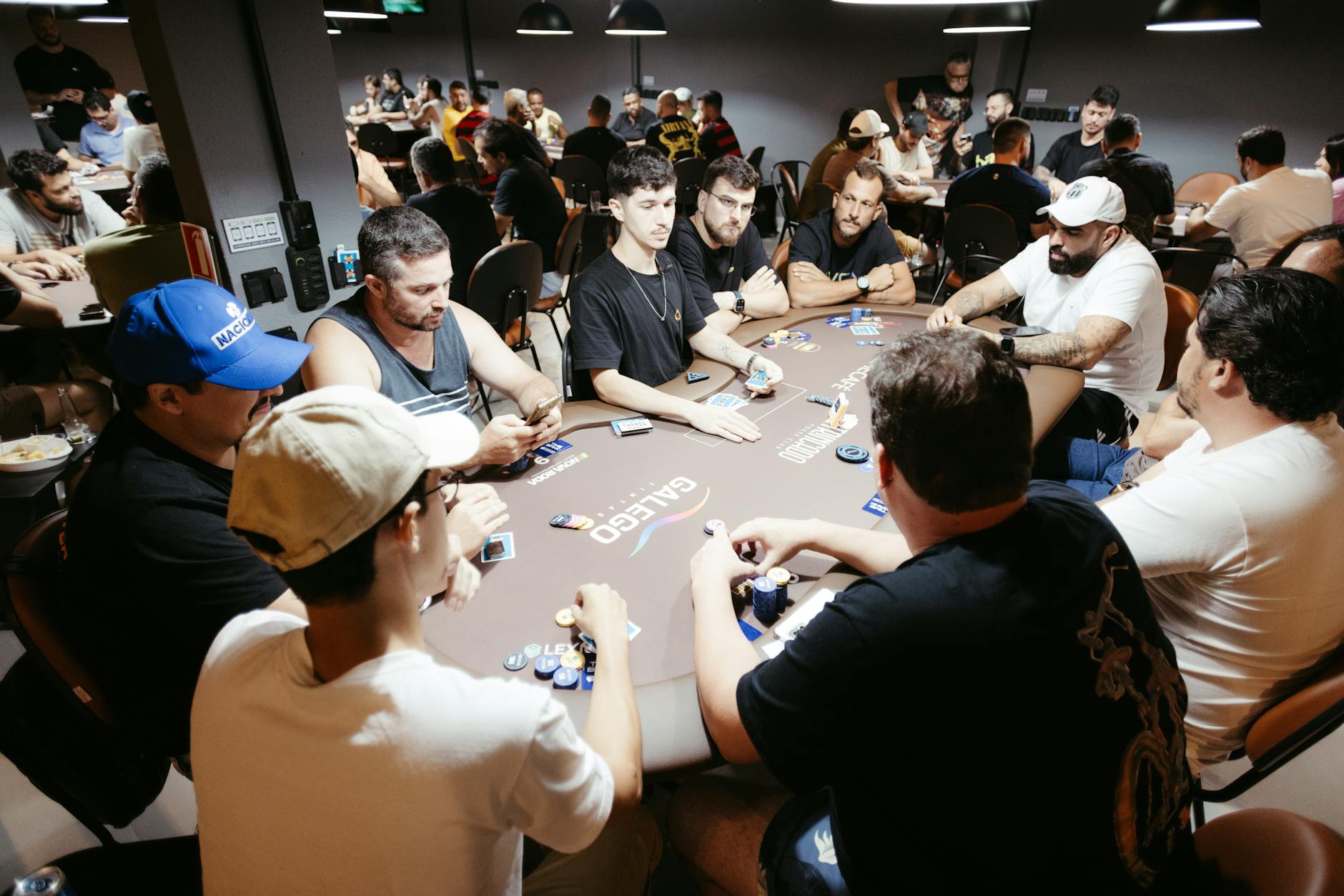
Photo by Jonathan Borba on Pexels
FAQ
Are MBA66's live dealer games real-time?
Yes. MBA66's live casino streams from Evolution and other licensed Asian studios with professionally trained dealers. The games are 100% real-time with no recorded playback.
How does MBA66 protect my data and funds?
MBA66 uses industry-standard encryption for personal data and transaction protection. All bets are logged against your username and password, and the full transaction record serves as valid evidence for any dispute inquiry.
What is the minimum deposit on MBA66?
MBA66 supports multiple deposit methods including online banking. For current minimum amounts and applicable fees, check the Banking page or contact 24/7 Live Chat.
How long does a withdrawal take?
Withdrawal processing depends on online banking availability. Standard amounts are prioritized and larger withdrawals may take longer. Contact 24/7 Live Chat for specific processing estimates.